
OTHER
Navigating Class Action Lawsuits: Essential Insights for Consumers
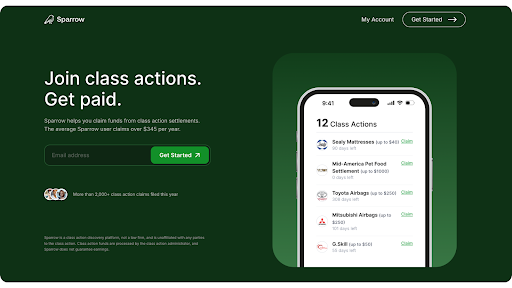
Class action lawsuits offer a powerful avenue for individuals to seek justice against widespread corporate misconduct, from privacy invasions to defective products.
These collective legal actions pool resources to challenge powerful entities, often resulting in substantial settlements distributed among affected parties.
Early awareness is key, especially with tools like a tool for discovering lawsuits you can join, which streamline the process of identifying relevant cases.
This guide explores practical strategies, common pitfalls, and emerging trends to empower you in this complex landscape.
What Are Class Action Lawsuits?
Class actions allow parties with similar legal claims to file a single lawsuit‚ often against large common defendants․
Courts will certify a class action when the claims in the complaint raise common questions of law or fact․
This allows one or the lead plaintiffs to represent all plaintiffs․
The question is whether this large group has an actionable claim e․g․ a data breach of millions‚ or faulty products sold to the nation․
So the benefit is pooled costs and increased pressure to settle․
Results vary, and members only receive limited checks after fees․
Why Consider Joining One?
They are often used in cases where dozens or hundreds of people have claims too small to litigate or to discover a pattern of behavior․
Common triggers for class actions include unauthorized scraping‚ false advertisements‚ and unsafe consumer products․
No lawyer fees are required up front to participate․
Recipients are notified via mail or an online portal․
Settlement awards can be cash‚ products, and discounts that make participation enticing․
An example of a lean resource is Sparrow‚ which shows tech’s role․
Key Steps to Identify and Join a Class Action
Follow these actionable steps to position yourself effectively, mirroring the structured advice prevalent in consumer-focused discussions.
- Track daily consumer alerts: Stay vigilant for product recalls, service disruptions, or breach announcements, as these spark filings rapidly.
- Review personal records: Dig into receipts, emails, and accounts for evidence of purchases or interactions tied to known issues.
- Scan public notices: Official court sites and settlement administrators post open claims—filter by category like privacy or consumer goods.
- Set up notifications: Opt into free services that flag new lawsuits matching your profile, saving hours of manual searches.
- Verify eligibility: Match your experience against case criteria, ensuring concrete harm like financial loss or exposure.
- Submit claims swiftly: Deadlines loom; use online forms with supporting docs to avoid disqualification.
- Monitor status updates: Track progress from certification to distribution, as delays can stretch months.
- Understand payouts: Awards range from pennies to thousands per claim, prorated by class size and fund totals.
These steps transform overwhelming information into manageable actions, boosting your chances of recovery.
Common Pitfalls and How to Dodge Them
Most failures occur as a result of deadlines or incomplete forms resulting in claim rejections‚ or the court dismissing uninjured parties․
Attorney fees can total one-third ‚ so be sure to check how much you will receive․
Many get too emotionally involved in the case to assess whether the case has merit․
Tax considerations are sometimes overlooked as most cash prizes are taxed as income․
Scams can be problematic‚ so only reputable administrators should be approached․
Signs Your Situation Might Qualify
Spot these indicators to gauge potential fit:
- Mass complaints emerge: Online forums erupt over the same product failure or policy change.
- Official warnings issue: Companies admit faults via recalls or apologies.
- Patterns in billing: Unexpected charges or service gaps affect many.
- Tech privacy flags: Unwanted tracking or data sales surface.
- Health or safety risks: Defective items cause verifiable harm.
- Advertising mismatches: Promises unfulfilled on a large scale.
- Employment discrepancies: Widespread pay or hiring biases.
Recognition early maximizes involvement odds.
Emerging Areas Driving Filings
The violations are often due to tracking technology‚ which collects data without user consent‚ or AI tools‚ which lead to biased hiring or content creation․
Consumer goods can be challenged for misleading environmental claims or selling products that break too easily․
Employment challenges can target wage suppression․
Securities issues probed misleading investor statements․These sectors reflect evolving harms‚ which statutory damages multiply many times over․
Privacy and Data Trends
Website trackers‚ session replays‚ and antiquated laws could lead to chatbot interactions resulting in disproportionately large lawsuits due to conversation storage․
AI and Tech Innovations
Federal anti-discrimination law prohibits algorithmic discrimination on the basis of employment․
Copyright disputes pit companies against training data․
The Claims Process Explained
You will receive notices when you are certified‚ including eligibility and deadlines․
Save documents‚ screenshots‚ and timelines to submit through approved portals․The approved plan provides for objection periods‚ fairness hearings‚ then the distribution of funds.
Real-World Examples
At one point‚ I would say imagine a recall of a piece of equipment from a company that said‚ anybody who bought one got credits for common failures․
Then think about all the hidden fees that are built into subscriptions․
Data leaks are another example of statutorily imposed payments that do not require evidence of harm or use․
Maximizing Your Outcomes
Document everything from the get-go‚ alert on various fronts‚ and utilize trusted sources to get tips․
Know what Rule 23’s numerosity‚ commonality‚ typicality, and adequacy standards mean for class certification․
Future Considerations
As volumes rise and awareness and tech resolve‚ plaintiffs and defendants dial up their strategies․
Be proactive: periodic checks and tools keep you in the game․It prepares you to tackle class actions fearlessly and turn losses into wins for clients․