OTHER
Bing Tests Nearly Invisible Sponsored Labels in SERPs: A Step Toward “Blended” Search?
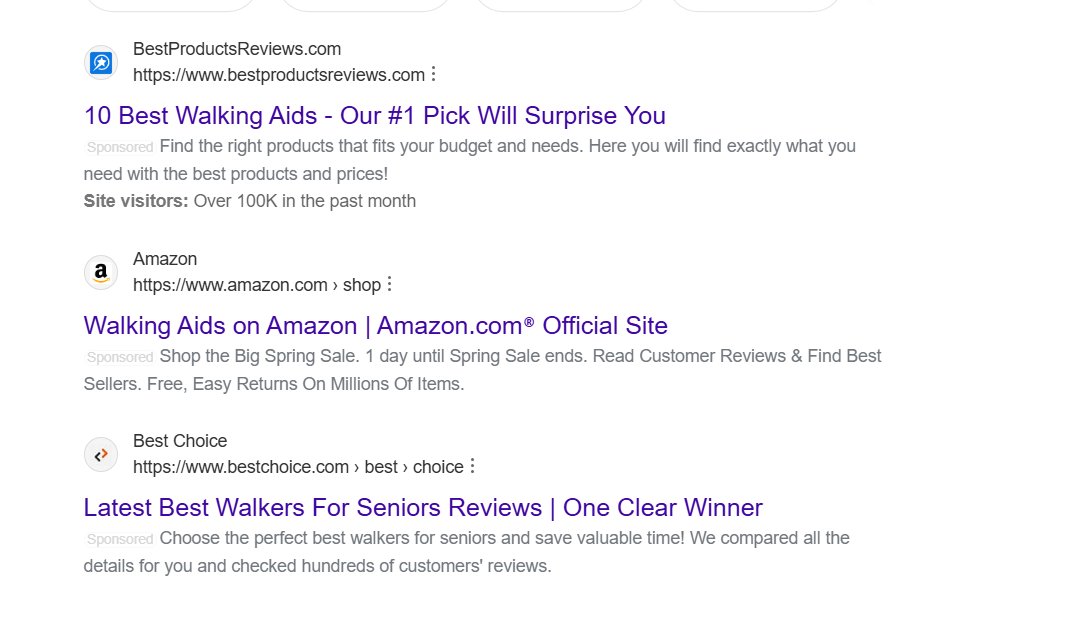
Microsoft appears to be quietly testing one of the most controversial ad design changes in recent search history: almost transparent sponsored labels in Bing’s search results.
According to recent coverage and screenshots shared by the search community, the traditional “Sponsored” label on Bing ads is being rendered so faint that it becomes barely distinguishable from organic listings.
What’s Changing?
Historically, search engines have used clear visual cues – labels like “Ad” or “Sponsored” – to differentiate paid results from organic ones. In this new Bing test, that distinction appears to be weakening.
Reports indicate that:
- The “Sponsored” label is still technically present
- But its contrast and visibility are significantly reduced
- Making ads appear almost identical to organic results at a glance
Screenshots circulating on social media show the label blending into the background, requiring deliberate attention to notice – something most users don’t give search results.
Why This Matters
This isn’t just a UI tweak – it touches on one of the most sensitive areas in search: ad transparency.
Clear labeling has long been a regulatory and ethical requirement. When that clarity erodes, several implications emerge:
1. Blurring the Line Between Ads and Organic
If users cannot easily distinguish ads, the functional difference between paid and organic results diminishes.
This could:
- Increase accidental ad clicks
- Inflate CTRs without improving user intent
- Shift user trust dynamics over time
2. A Familiar Pattern Across Search Engines
Bing’s test doesn’t exist in isolation.
Google has also experimented heavily with ad labeling – moving from bold “Ad” badges to more subtle “Sponsored” indicators and grouped ad sections.
Across the industry, the trajectory is clear:
Ads are becoming more visually integrated into the organic experience.
3. The AI Search Context
This test becomes even more significant when viewed through the lens of AI-powered search.
As search evolves toward:
- AI summaries
- Conversational answers
- Integrated shopping experiences
…the placement and labeling of ads becomes harder to define.
Reducing label visibility now could be a precursor to:
- Sponsored placements inside AI-generated answers
- Monetized “recommendations” that feel organic
Some industry observers argue this is part of a broader shift toward “blended SERPs”, where paid and organic content coexist seamlessly.
Potential Risks
While the change may benefit advertisers in the short term, it raises several concerns:
User Trust
If users feel misled – even subconsciously – trust in the platform can erode.
Regulatory Scrutiny
Search engines have already faced pressure from regulators over transparency. Further reducing ad clarity could invite:
- Investigations
- Compliance requirements
- Forced UI changes
Long-Term Performance Volatility
Short-term CTR gains may not translate into meaningful outcomes if:
- Users bounce quickly
- Conversion quality declines
What Advertisers Should Watch
If this test rolls out more widely, advertisers should monitor:
- CTR spikes vs. conversion rate changes
- Engagement quality (time on site, bounce rate)
- Brand perception and trust signals
Higher click volume doesn’t always mean better performance – especially if clicks are less intentional.
The Bigger Picture
Bing’s transparent label test is not just an isolated experiment – it’s part of a larger transformation of search:
- Ads are becoming less distinguishable
- SERPs are becoming more unified
- AI is reshaping how results are presented and monetized
In that context, the question is no longer “Where do ads appear?” but rather:
Will users even be able to tell what is an ad anymore?
Final Thoughts
Microsoft’s experiment with nearly invisible sponsored labels signals a bold – and potentially controversial – direction for search advertising.
If rolled out broadly, it could:
- Redefine user interaction with SERPs
- Accelerate the blending of paid and organic content
- Trigger renewed debates around transparency and trust
For now, it remains a test. But like many SERP experiments before it, its implications could extend far beyond a single UI tweak.