SEO
SEO A/B Testing: 5 Simple Experiments to Boost Traffic

When it comes to SEO (Search Engine Optimization) and digital marketing, the best decisions come from data. As a business owner or marketer, guessing can cost you a lot of money. One wrong test could lose you thousands or even millions of dollars, while one correct test can change your business for the better. Today, we will discuss five simple SEO A/B tests that can help you bring more visitors to your website.
What is SEO A/B Testing?
SEO A/B testing is about making changes to your web pages (like titles, meta descriptions, and content) to see how these changes affect your website traffic. The goal is to understand what works well for your SEO strategy.
Remember, Google updates its search algorithm often. Because of this, results from SEO A/B testing might take time. However, good tests and proper tracking can help you see big improvements in clicks, conversions, and revenue.
5 Easy SEO A/B Tests You Can Run Now
These tests will help you learn what works best for your unique website.
1. Title Tag Variation
The title tag can significantly affect your click-through rate (CTR). A study showed that different positions on the search results page (SERP) had different CTRs:
- Position 1: 27.6%
- Position 2: 15.8%
- Position 3: 11.0%
- Position 10: 2.4%
To run a test, do the following:
- Choose a Group: Pick pages with enough traffic and split them into two groups: one with no changes (control group) and one where you change the title tag (variant group).
- Create Variations: Modify the title, keeping the main keyword. For example:
- Original: “Buy Red Sneakers | BrandName”
- Variant: “Red Sneakers for Sale – Free Shipping | BrandName”
- Measure Performance: Wait 2-4 weeks to gather data. Use Google Search Console to track key metrics like CTR, impressions, and clicks.
- Analyze Results: Compare numbers from both groups to see which title worked better.
2. AI Overview Content Optimization Test
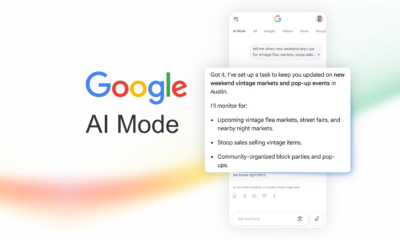
Google’s AI Overviews summarize answers at the top of search results. If you’re not optimized for AI Overviews, you could lose visibility even if you rank well. Here’s how to test:
- Select a Page Type: Choose pages with stable traffic and rankings.
- Create Two Groups: Again, divide them into control and variant groups.
- Make Changes: In your variant group, add content that could help the page appear in AI Overviews.
- Monitor Performance: Check Search Console to see if your variant group shows up more often in AI Overviews and if CTR improves.
3. Internal Link Placement Test
Internal links help build your website’s authority. Here’s how to run this test:
- Select Your Pages: Pick a group of pages with good traffic and split them into two.
- Add Links: In the variant group, add 3-5 internal links from high-authority pages on your site.
- Wait and See: After 2-4 weeks, monitor any changes in rankings and clicks.
4. Content Length and Depth Test
Longer, more detailed content usually performs better on search engines. You can test if increasing content length affects traffic. Here’s what to do:
- Choose Thinner Content: Select blog posts under 1,500 words.
- Enhance Content: In the variant group, improve your articles with FAQs, visuals, or expert quotes.
- Wait for Results: After waiting 2-4 weeks, see if the improved content gains more traffic.
5. Schema Markup Implementation Test
Schema markup can improve visibility and CTR. Here’s how to test it:
- Pick Your Pages: Choose pages that would benefit from schema markup.
- Add Schema: You can add schema using CMS plugins, manual coding, or Google Tag Manager.
- Track Changes: After making updates, check your results in Search Console to see if your pages’ rich results improve visibility.
Turning Insights into Traffic with SEO A/B Testing
SEO A/B testing isn’t just for big companies. It’s a powerful way for any business to boost organic traffic. By running simple tests like changing title tags or adding schema, you can discover what works best for your site. Start with one test, closely monitor the results, and adjust based on what you learn. Happy testing!