Google’s reCAPTCHA is becoming increasingly difficult to manage
Google’s reCAPTCHA Is Getting a Little Out of Control
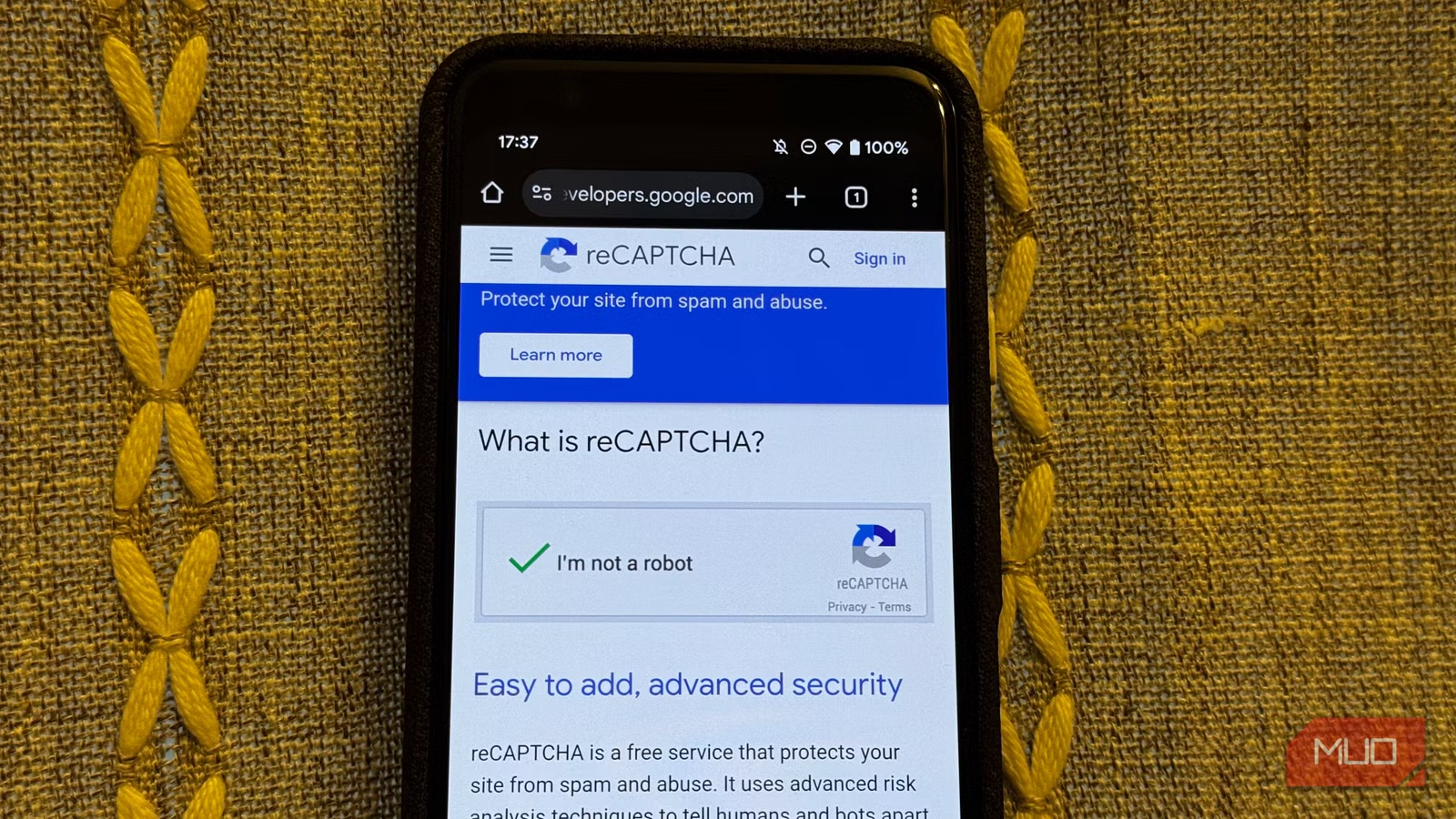
When you browse the internet, you often see those annoying puzzles that ask, “I’m not a robot.” These are called CAPTCHAs, which stand for “Completely Automated Public Turing Test to Tell Computers and Humans Apart.” They help websites decide if you are a real person or a computer program (bot).
Why do we see so many reCAPTCHAs?
Websites use reCAPTCHAs mainly to block automated traffic, like spam bots, computer programs that scrape data, or hackers trying to attack sites. Google created reCAPTCHA to help tell real users from bots and protect online services from malicious activities.
The problem for humans
While reCAPTCHAs are important, they are starting to get out of hand. These challenges are becoming harder and more frequent. For example, if you’re using a VPN — a tool that hides your location to protect your privacy — Google might think your traffic is suspicious. As a result, you will see more reCAPTCHA prompts, making it a hassle for honest users trying to browse safely.
Bots are outsmarting reCAPTCHA
Even though reCAPTCHA is meant to block bots, AI and machine learning are changing the game. Researchers trained AI models that can solve reCAPTCHA tests perfectly—something that most humans still struggle with. A recent study showed that advanced AI could beat Google’s reCAPTCHA 100% of the time. This means that the technology designed to stop bots is starting to fail.
ReCAPTCHA is frustrating for users
Many internet users, including myself, find reCAPTCHAs frustrating. Sometimes they are confusing or too tricky to solve in one try. Google says some challenges are deliberately made difficult, but this can make honest people’s online experience worse. Instead of stopping bots, reCAPTCHA often stops real humans from quickly accessing what they need.
The future looks complicated
As bots become smarter, making reCAPTCHA more difficult is only going to continue. But this means humans will keep struggling, and online access could become more frustrating. Plus, bad actors might trick users into installing malware using fake CAPTCHAs, which adds another layer of danger.
What can we do?
Right now, the best we can do is keep solving reCAPTCHAs when they appear. But in the future, we need better ways to block malicious bots without causing so much trouble for ordinary users. We need smarter systems that can accurately tell robots from real people, so the internet remains safe and easy to use for everyone.
In conclusion
Google’s reCAPTCHA was created to protect websites from spam and attacks, but it’s getting too tricky and too common. As AI advances, these challenges are no longer enough to stop sophisticated bots, and they are making life harder for real users. Finding a better balance is the challenge for the future of online security.