
OTHER
Your Complete Guide to Getting a Mortgage in Australia: Expert Tips and Honest Advice
Introduction
Getting a mortgage is likely the biggest financial decision you’ll make in your life, and that’s exactly why it deserves careful attention.
The mortgage landscape in Australia has changed significantly over recent years, with stricter lending standards and more competition among lenders.
Whether you’re a first-time buyer feeling overwhelmed or someone refinancing to better terms, understanding the process removes the mystery and puts you in control.
This guide walks you through the entire mortgage journey, from pre-approval to settlement, with practical advice you can actually use.
Key Takeaways
- Pre-approval gives you concrete proof of how much you can borrow and strengthens your position in negotiations
- Fixed versus variable rate mortgages have different advantages depending on interest rate expectations and your risk tolerance
- Working with professionals can save thousands through better deal structuring and rate negotiation
- Borrowing capacity depends on multiple factors: income, credit history, existing debts, and deposit size
- The mortgage process typically takes six to twelve weeks from application to settlement
Understanding Your Borrowing Capacity
Before you start house hunting, you need to know a realistic number for your budget. Banks and lenders assess borrowing capacity based on income, expenses, credit history, and deposit size.
Most lenders will lend up to eighty percent of the property’s value if you have a decent deposit, though first-time buyers often qualify for government schemes allowing smaller deposits.
The critical thing to understand is that just because a bank approves you for a certain amount doesn’t mean you should borrow it. Stress testing your budget matters.
Interest rates could rise, your job situation could change, or unexpected expenses could pop up. Conservative borrowing gives you breathing room when life gets complicated.
Many Australians use a serviceability assessment to understand their actual capacity. This calculation factors in your current expenses, potential interest rate rises, and various living costs.
It’s far more realistic than simply calculating a debt-to-income ratio.
Pre-Approval: Your Competitive Advantage
Getting pre-approved for a mortgage should happen before you seriously search for property. Pre-approval means a lender has verified your financial situation and committed to lending you a specific amount, subject to property valuation and final checks.
This pre-approval letter gives you power in negotiations. Sellers prefer offers from pre-approved buyers because they know the deal won’t collapse due to financing issues.
You can move faster, respond to good opportunities immediately, and negotiate confidently knowing exactly what you can spend.
The pre-approval process usually takes a few business days. The lender checks your income, employment history, credit report, and existing debts.
They’ll ask about your deposit source and expected timeframe. Be honest about everything, because any inconsistencies discovered later can derail your mortgage.
Fixed Rates, Variable Rates, and Split Mortgages
This decision impacts your financial life for years, so it deserves real thought. Fixed rate mortgages lock in an interest rate for a set period, typically two to five years.
You know exactly what your repayment will be, which helps with budgeting. The trade-off? If rates drop, you’re stuck at the higher rate. Breaking a fixed rate mortgage early usually involves significant penalties.
Variable rate mortgages fluctuate with market interest rates. When rates rise, your repayment increases. When they fall, your repayment decreases.
This flexibility appeals to people expecting rates to drop, or those comfortable with payment uncertainty. Some lenders offer rate caps, limiting how much your rate can increase within a certain period.
Many people use split mortgages, dividing their loan between fixed and variable portions. This approach hedges your bets.
Perhaps you fix sixty percent at current rates and keep forty percent variable for flexibility and potential rate savings. The strategy depends on your risk tolerance and economic outlook.
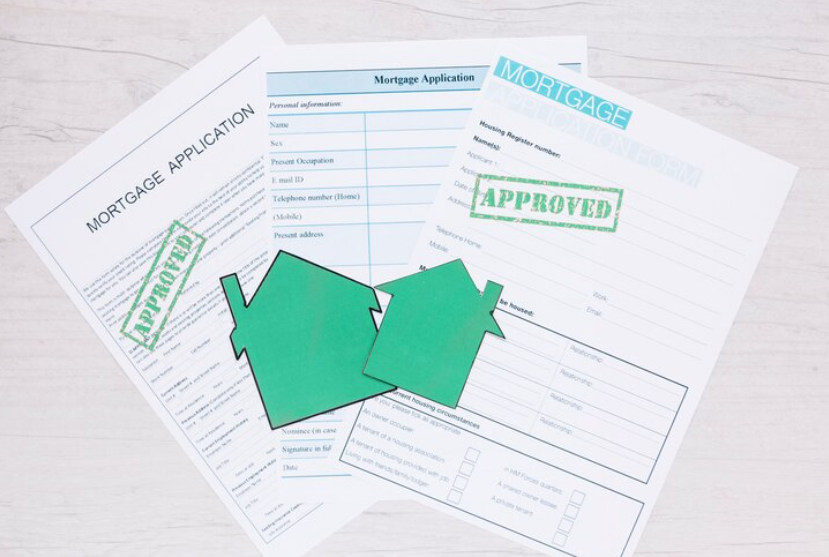
Finding Professional Guidance That Actually Helps
Managing a mortgage alone is possible, but getting professional guidance often saves thousands. This is where a qualified mortgage broker in Melbourne or your local area makes genuine sense.
Brokers work with multiple lenders rather than just one, meaning they can compare rates, terms, and loan structures across the entire market.
A good broker explains your options in plain language, not jargon. They understand your situation holistically and recommend products that actually fit your circumstances. They handle paperwork, coordinate with lenders, and advocate for you if complications arise.
Yes, you pay for this service, but the better rates and terms they negotiate typically cover their cost many times over.
Banks have direct relationships with brokers and often offer better rates through broker channels than retail customers receive.
This industry standard exists because brokers bring lenders volume and higher-quality applications. You benefit from this arrangement by getting better deals and professional guidance simultaneously.
When evaluating a broker, check their credentials, ask what lenders they work with, and clarify how they’re compensated. Fee-for-service brokers charge direct fees. Commission-based brokers earn from lenders when you settle.
Both models work, but knowing the structure matters. Ask about their experience with situations similar to yours and request references.
Understanding Loan Structures and Features
Modern mortgages come with various features designed to help your situation. Offset accounts sit beside your mortgage, with interest earned on the offset balance reducing your actual loan interest.
This feature works beautifully for people who can maintain a savings buffer against their loan.
Redraw facilities let you withdraw extra payments you’ve made, offering flexibility without breaking the mortgage.
This helps if you need unexpected money but don’t want to access high-interest credit. Some mortgages include both features, others neither. The right combination depends on your financial discipline and circumstances.
Interest-only periods let you pay only interest for a set time, reducing repayments temporarily. This can help if you’re establishing yourself in a new career or facing temporary reduced income.
After the interest-only period expires, you shift to principal-and-interest repayments. These aren’t permanent solutions, but they provide breathing room when you need it.
For more details on comparing different loan products, check our article on loan product comparison.
The Application and Assessment Process
Once you’ve chosen a lender and product, the formal application begins.
You’ll need to gather documentation: recent payslips, tax returns, bank statements, rental history, employment history, and details of all existing debts. The lender needs to verify everything.
The assessment process takes time because lenders legally must verify your ability to service the loan. They check your employment status and stability, review your credit history, and assess whether you can handle interest rate rises.
This isn’t bureaucracy for its own sake. These checks protect both you and the lender from unsustainable lending.
Don’t be surprised if the lender requests additional documentation or clarification. This is normal. Respond quickly and clearly.
Any delays here create delays in settlement. Once assessment is complete, the lender provides a formal approval letter outlining terms, conditions, and special requirements.
Valuation and Legal Checks
The property itself must be valued to ensure it justifies the loan amount. The lender arranges a valuation by a qualified valuer. They inspect the property and provide a professional assessment of its market value.
If the property values lower than the purchase price, you’ll need to renegotiate the purchase price or increase your deposit.
Legal checks happen simultaneously. A lawyer or conveyancer conducts title searches to confirm the seller actually owns the property and no unusual restrictions apply.
They check rates and taxes, review any outstanding mortgages on the property, and identify any covenants or restrictions affecting the property.
These checks usually complete within two weeks. Occasionally they reveal issues requiring resolution. The seller might need to clear a mortgage, or restrictions might need removal or clarification.
Your lawyer manages these issues and keeps you informed.
Rates, Fees, and the True Cost of Borrowing
Comparing mortgages requires looking beyond just interest rates. Fees add up significantly. Loan origination fees, valuation fees, legal fees, and settlement fees all contribute to the total cost.
Some lenders offer competitive rates but heavy upfront fees. Others reverse this equation.
Calculate the total cost of borrowing, not just the interest rate. A lower rate with high fees might cost more than a slightly higher rate with lower fees.
Reputable lenders provide a clear breakdown showing all costs. Request this breakdown from each lender you consider.
Early repayment penalties might apply if you refinance or pay out your mortgage early. These can be substantial, particularly in the early years of fixed rate mortgages. Understand these penalties before committing.
Sometimes breaking a mortgage makes financial sense despite penalties, but you need the information to decide.
Protecting Your Investment During the Process
Once you’ve received formal approval and completed valuation and legal checks, you’re in the final stages. Most lenders require property insurance before settlement. You arrange this through an insurance broker or directly with insurers. Insurance must be in place before settlement to protect your investment.
Building and pest inspections should happen before you exchange contracts, though some inspections happen after approval.
These inspections identify structural problems, pest damage, or defects requiring expensive repairs. If significant issues emerge, they give you leverage to renegotiate the purchase price or request repairs.
Final settlement typically happens within six to twelve weeks of your initial application. On settlement day, funds transfer from the lender to the seller’s lawyer, contracts are signed, and you receive the keys.
That’s when you officially own the property and the mortgage repayments begin.
Frequently Asked Questions
Q: What’s the difference between a mortgage broker and a bank?
A: Banks lend their own funds directly to borrowers. Brokers work with multiple lenders and arrange financing on your behalf. Brokers typically access better rates and terms because lenders offer incentives for bringing quality applications.
Q: How much deposit do I actually need?
A: Minimum deposits vary by lender and your situation. Traditional lending requires twenty percent of the property value. First-time buyers with government schemes can often purchase with as little as five to ten percent, though you’ll pay mortgage insurance with smaller deposits.
Q: Can I get approved with bad credit?
A: Credit isn’t a simple pass-fail assessment. Bad credit makes borrowing harder and more expensive, but recent credit issues matter less than historical patterns. Some lenders specialize in second-chance lending, though their rates are higher. Time improves your credit score, so waiting twelve to twenty-four months sometimes results in significantly better terms.
Q: Should I fix my rate or go variable?
A: This depends on your circumstances, risk tolerance, and economic outlook. Fixed rates provide certainty and work well when you expect rates to rise. Variable rates offer flexibility and potentially lower costs if rates fall. Many people split the difference by fixing part of their loan.
Q: How long does the mortgage process take?
A: From pre-approval to settlement typically takes six to twelve weeks. Complex applications, property issues, or legal complications can extend this timeline. Simple transactions might settle in four weeks.
Q: What happens if I can’t make a repayment?
A: Contact your lender immediately if you anticipate difficulty. Many lenders offer temporary relief through payment deferral, reduced repayments, or interest-only periods. Banks have hardship policies designed to help borrowers facing genuine difficulties. Ignoring the problem creates far worse outcomes.
Q: Can I refinance to a better rate later?
A: Yes, refinancing is common. If rates drop significantly below your current rate, refinancing might save thousands. Compare the cost of breaking your current mortgage against long-term savings from a better rate. Refinancing makes sense if payback occurs within twelve to twenty-four months.
Making Your Decision With Confidence
The mortgage process feels complex because it is complex. But breaking it into stages makes it manageable. Start by understanding your borrowing capacity and getting pre-approved. Research loan structures and compare options across lenders.
Work with professionals who explain things clearly and advocate for your interests. Verify every piece of information yourself rather than assuming anything.
Your financial situation and goals are unique. What works perfectly for one borrower might be wrong for another. The best mortgage is one you understand completely and that genuinely fits your circumstances.
Take time to ask questions, request clarifications, and make an informed decision.
The stakes are too high and the financial impact too significant to rush this decision. You’ll live with this mortgage for years, so getting it right matters far more than getting it fast.