SEARCHENGINES
How Search Technology Is Changing the Way People Find Things Online
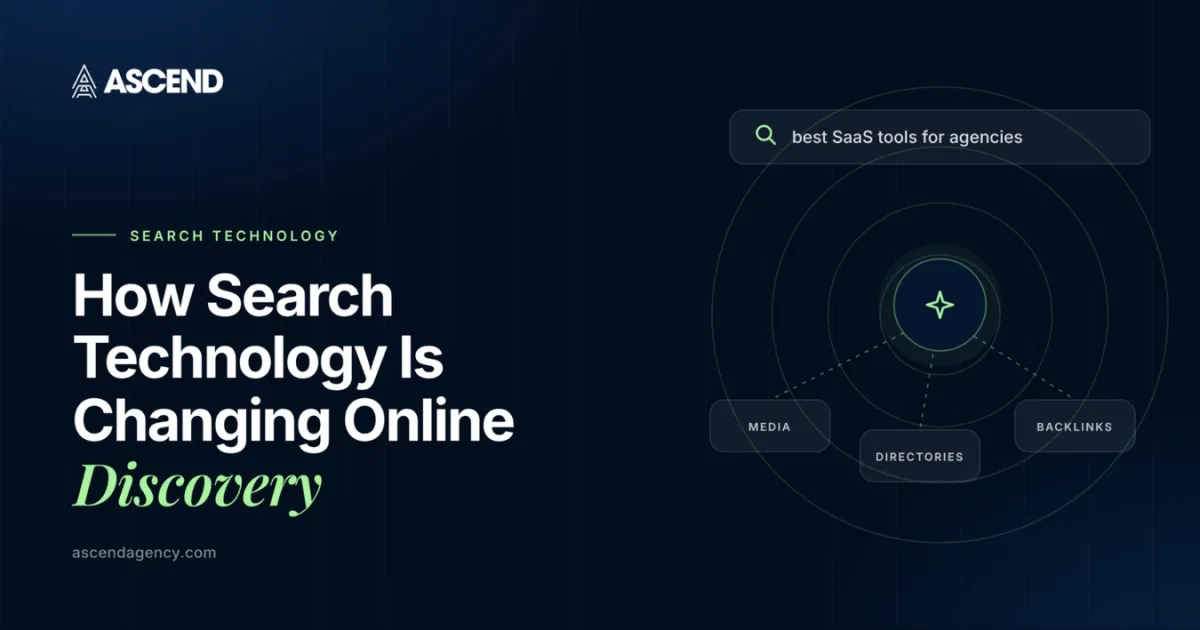
People do not always find a company by visiting its website first. They may see it in a news story, a software directory, a customer discussion, or a link on another website. As AI search and other search tools change how people look for information, companies need to understand the wider picture of where and how they appear online.
Discovery happens across the web
Search results can bring together many different sources about a company. These might include the company’s own website, media coverage, software listings, customer reviews, and other sites that link to its pages.
Each source can help people understand what a company does. For example, a news article may explain how a business fits into a wider industry. That article could also be found later through search or linked to by other websites. So its reach may continue beyond the people who read it when it was first published.
Links show how websites connect
A backlink is a link from one website to another. Search engines can use links to find pages and understand how they relate to other content. A link from a trusted, relevant website may add useful context to a company’s online presence.
But the number of backlinks alone does not tell the whole story. It also matters which websites link to a company, which pages receive links, and whether those links are relevant. Backlink-analysis tools can help teams see these patterns and track how they change over time.
Search tools turn activity into useful data
Search and SEO tools help companies study different parts of their online presence. Some tools estimate the relative strength of websites. Others show which sites link to a company and which pages receive the most links. These measurements can help teams compare websites, but they are estimates – not promises of higher search rankings.
Other tools focus on a company’s own website. They can check pages for technical or content issues, preview how titles and descriptions may look in search results, and help teams work with keywords, metadata, and structured information. A robots.txt tool, for example, can help prepare instructions about which parts of a website search engines may access.
Some communications platforms now bring these search tools together with press-placement services. Ascend Agency is one example: it offers services for press placements as well as tools for reviewing backlinks, comparing domains, checking pages, and preparing campaign-tracking links. This shows how companies can use search data when planning and reviewing media work.
Start by understanding what is already there
Before starting a new media or content campaign, a company can create a baseline – a picture of its online presence at that moment. It might review:
- Which outside websites link to it
- Which of its pages receive the most links
- What appears when people search for its name
- Whether its website has technical problems
Later, the team can compare new results with this starting point. It can check whether more websites link to its pages, whether referral traffic changes, or whether useful content becomes easier to find.
Campaign links can include UTM parameters, which are small tags that help analytics tools identify where website visits came from. This can help a team see whether visitors arrived from a particular article or campaign. However, no single number can show the full effect of a piece of coverage. Search rankings change for many reasons, and different software providers may calculate website scores in different ways. It is better to review several indicators together than to rely only on link counts or the number of articles published.
A broader view of online discovery
A company’s website is only one part of its online identity. Media stories, software directories, links from other websites, and search results can all shape what people find as they learn about a business.
Search technology gives teams more ways to connect this information and understand how people move from one source to another. It does not replace a useful website or helpful content. Instead, it can help companies see where they appear online, how people discover them, and what visitors find when they decide to learn more.
Source: https://www.digitaltrends.com