AI
How Brands Differentiate Themselves in AI Search
How Brands Can Stand Out in AI Search
Large language models, like ChatGPT, are changing the way people find and buy products online. Instead of using traditional keyword searches, consumers now ask questions in their own words and get more personalized suggestions. This shift is especially important for fashion brands that want to stay visible and attract shoppers.
The Rise of AI Shopping
By September 2025, companies like OpenAI, Shopify, and Etsy made deals to allow shoppers to buy directly through AI tools like ChatGPT. Google and Perplexity also created AI assistants that can even make purchases on behalf of consumers. Although only a small part of overall AI use now involves shopping-about 2.1% of messages to ChatGPT-this number is growing fast. ChatGPT alone receives 18 billion messages weekly, many of which ask about products.
Why This Matters for Fashion Brands
When AI suggests a short list of products instead of links to many websites, brands that aren’t in that list might become invisible to potential buyers. This means brands need to focus on “answer-engine optimisation” (AEO), which is different from traditional Search Engine Optimization (SEO). AEO helps brands appear in AI-generated answers, making them more likely to be considered by shoppers.
Adapting to the New Environment
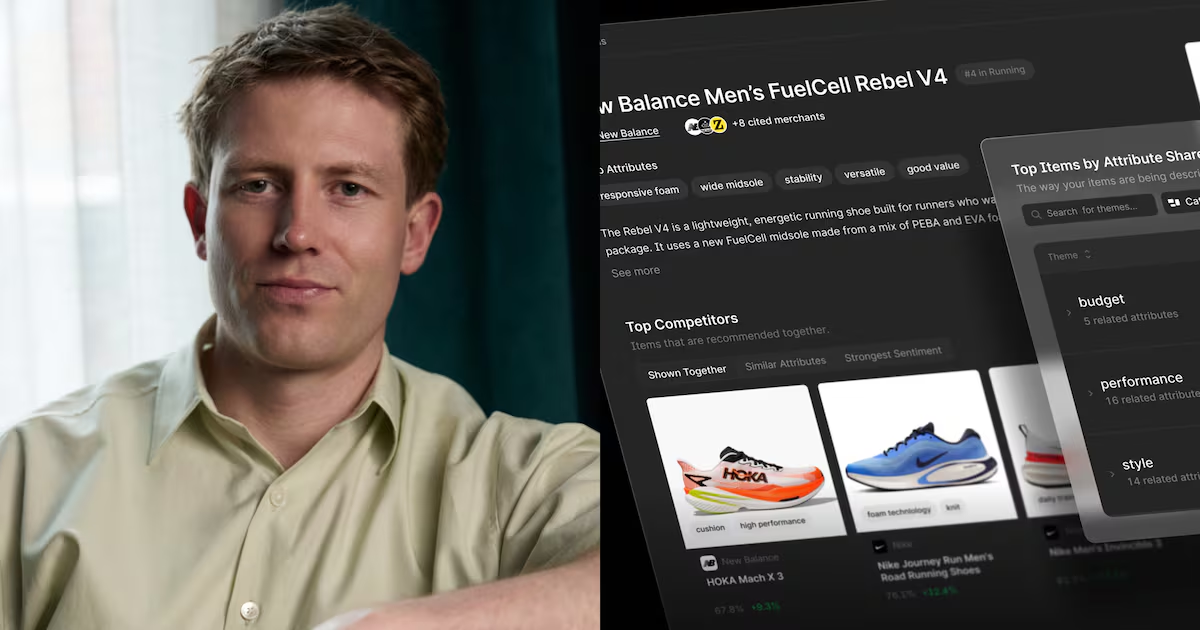
Startups like Profound help retailers like Mejuri adapt to this new AI landscape. They raise big investments-like $35 million from top investors-to assist brands in appearing in AI answers. Experts believe this platform shift is possibly the biggest in internet history. As AI becomes a primary “front door” to the web, brands that understand how to be featured in these answers can gain billions of views.
Why Consumers Use AI for Shopping
Using AI makes comparison shopping easier. Instead of opening multiple tabs to compare products, shoppers ask AI for help. AI shortlists options, and buyers can narrow down their choices much faster. In the future, AI platforms like ChatGPT could personalize shopping even more based on what users tell them about their needs and preferences.
What Brands Should Do
To succeed in AI search, brands need to create content that AI bots can easily find and understand. Instead of just focusing on images, they should provide detailed, structured information about their products-what makes them special, their history, quality, and features. The technical structure of their websites, like how they use JavaScript, also matters because AI crawling tools read this data differently than humans do.
Will AI Replace Traditional Search?
Experts don’t think traditional search engines like Google will disappear soon. Instead, both will be used together. As AI improves, people are likely to shift more towards AI assistants, but traditional search remains useful.
The Unique Nature of Fashion
Fashion is personal, often driven by emotion and style. While AI is excellent at factual information-like the history of a Chanel bag-it’s less suited for discovering new fashion that sparks an emotional or aspirational connection. Still, AI can help answer specific questions about fashion items, making it a useful tool.
The Long Tail of Coverage
AI answers are probabilistic-they can vary based on the sources the AI uses. This means different answers might feature different brands or products, giving a more diverse range of options. Instead of just a few brands dominating, AI can showcase many brands, including niche or long-tail options.
Influencing AI Search Content
Brands can influence how they appear in AI answers by providing clear, detailed, and well-structured content on their websites. Since AI models fetch information from various sources, having active control over their primary web content-like Nike’s website-helps brands ensure they’re accurately represented.
Implications for Marketing
For fashion marketers, this new era means focusing on detailed product descriptions and quality content. Marketers should pay attention to how their brands appear in answer engines and develop strategies to improve visibility. It’s now a significant marketing channel, and brands that lean in and adapt early can stand out in this evolving landscape.
Conclusion
AI search is transforming online shopping, especially in the fashion industry. Brands that understand how to optimise their content for AI can reach more consumers and stay competitive. The key is to embrace this change, create high-quality structured content, and develop a strategy to succeed in the new AI-driven market.
Remember: This is not just about technology-it’s about understanding how your brand is seen by the future of online searches.