
The End of Google’s Display Ads
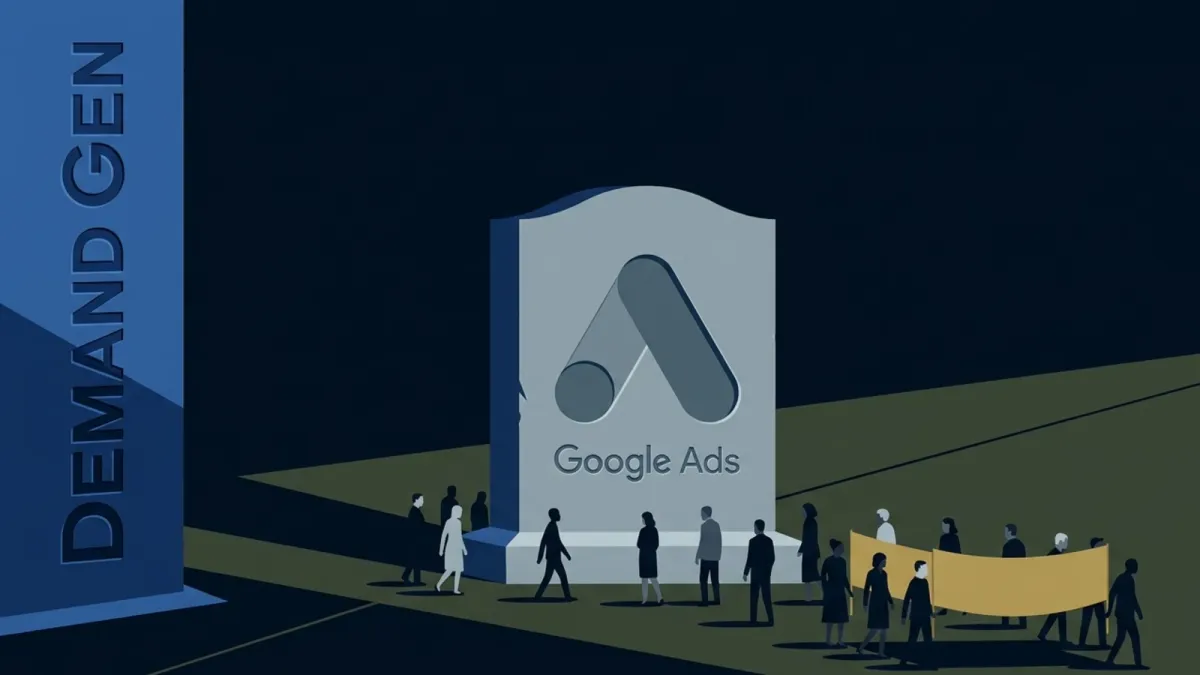
Recently, Google announced big changes to its advertising system. Standalone Display Ads campaigns will no longer exist. Instead, they are being merged into a new system called Demand Gen. This means all visual ads will now be managed through Demand Gen across more than 2 million websites, videos, and apps.
What Is Actually Changing
As of May 26, 2026, advertisers can no longer create Display Ads as a separate type. Instead, they will manage their advertising on the Google Display Network (GDN) through Demand Gen campaigns. This transition is not just a simple update; it fundamentally changes how advertisers will set up, manage, and analyze their campaigns.
What’s Still Available
If you want to run ads specifically on the Google Display Network, you can still do so within Demand Gen campaigns. Google provides features that allow advertisers to target specific sites and placements. However, the campaign setup will now be part of Demand Gen rather than a standalone display campaign.
Migration Tool
To assist advertisers in transitioning smoothly, Google is launching a migration tool that was initially introduced in June 2026. This tool enables users to effortlessly transfer their existing Display Ads to Demand Gen. Additionally, it preserves performance history from the past 42 days, ensuring a seamless and informed transition.
What to Expect
After migrating, advertisers may notice fluctuations in their campaign performance during the first few days. This is normal as the new system learns from historical data. However, the transition tool attempts to make the learning curve easier.
Important Steps for Migration
- Accessing the Tool: Go to your Google Ads account, find the campaign menu, select “Display” campaigns, and choose to upgrade to Demand Gen.
- Maintaining Budgets: Be aware that during migration, daily budgets may reset, leading to potential overspending or underspending in the first 24 hours.
- Approval Process: After migration, ads will be treated as new ads and will need approval before being served.
Performance Claims and Real-World Data
Google claims that adding GDN to Demand Gen campaigns can increase return on investment (ROI) by 9.5%. For example, a food delivery service called GoFood reportedly saw a 24% decrease in acquisition costs after making the switch.
Changes in Features
With this migration, some new features will be offered. For example:
- Demand Gen will now show ads not just on GDN, but also on YouTube, Discover, Gmail, and Maps.
- Creative formats will expand to include carousel ads and more video formats.
What Will Be Lost
Some features from the old Display Ads may not be available in Demand Gen. For instance, certain bidding methods like Manual CPC will no longer be an option.
Timeline of Changes
- June 2026: The migration tool started being available.
- Later Dates: New Display Ads campaigns can only be created through Demand Gen, and remaining campaigns will be automatically migrated.
- 2027: Full migration is expected to be completed.
Conclusion
To summarize, Google Display Ads are being retired as a standalone option, with all features moving under Demand Gen. This change affects anyone currently using Google Ads. The migration process will help marketers adjust, but they will need to manage the transition carefully to avoid disruptions in their advertising campaigns.
For advertisers, it’s crucial to understand these changes and prepare for the new Demand Gen system to ensure effective ad spending in the future.